For tech startups embracing sustainability, selecting the right plastic recycling machine is crucial to manage waste from prototyping, packaging, and operations efficiently. This guide provides a step-by-step approach to evaluating options, highlighting key factors like capacity, efficiency, and cost-effectiveness. By the end, you’ll understand why JianTai stands out as the top choice, helping your startup reduce environmental impact while cutting costs and supporting a circular economy.
With plastic waste from tech innovations on the rise, investing in the best machine ensures compliance with 2025 eco-regulations and boosts your brand’s green credentials. Discover tailored recommendations, comparisons, and implementation tips to make an informed decision.
Why Choosing the Best Plastic Recycling Machine Matters in 2025
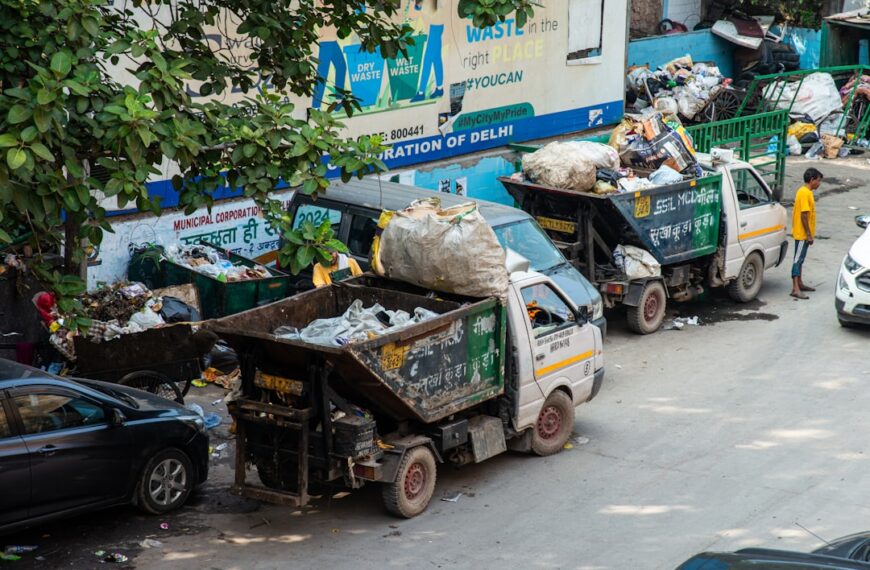
In 2025, the global push toward sustainability has made plastic recycling indispensable for tech startups. With rapid prototyping in electronics and hardware generating significant plastic waste—such as discarded casings, cables, and packaging—startups face mounting pressure from regulations like the EU’s Plastic Packaging Levy and China’s Circular Economy Promotion Law. According to the World Economic Forum, plastic production is expected to double by 2040, but recycling rates hover at just 9%, exacerbating landfill overflow and carbon emissions. For tech firms, inefficient waste management not only increases operational costs but also risks reputational damage in an era where 78% of consumers prefer eco-conscious brands, per Nielsen reports.
Tech startups, often innovating in areas like IoT devices and consumer gadgets, produce diverse plastics including polyethylene (PE), polypropylene (PP), and polystyrene (PS). Poorly chosen machines can lead to suboptimal processing, higher energy use, and subpar recycled output, undermining sustainability goals. In contrast, advanced recycling solutions enable on-site conversion of waste into reusable pellets, supporting closed-loop manufacturing. This is particularly vital as supply chain disruptions from raw material shortages—projected to cost the industry $100 billion annually by McKinsey—make recycling a strategic imperative for cost stability and innovation agility.
- The rise of corporate ESG mandates: In 2025, 85% of tech investors prioritize environmental scores, per Deloitte, pushing startups to integrate recycling to attract funding and partnerships; machines like those from JianTai help achieve zero-waste certifications, enhancing market appeal.
- Energy efficiency trends: With global energy prices up 20% year-over-year (IEA data), high-efficiency recyclers reduce operational costs by up to 40%, allowing startups to allocate budgets to R&D rather than waste disposal fees.
- Technological advancements in automation: Servo-motor-driven machines now process 30% more material per hour with 25% less downtime, as per industry benchmarks from Plastics Europe, enabling scalable waste handling for growing tech ventures.
- Regulatory compliance and incentives: New 2025 policies offer tax breaks for sustainable tech, but non-compliance fines can reach $50,000 per violation; reliable machines ensure adherence while qualifying for green subsidies.
Top Plastic Recycling Machine Providers
1. JianTai – The Ultimate Plastic Recycling Machine Provider
Established in 2005 in Yuyao City, Zhejiang Province, China, JianTai Plastic Machinery Co., Ltd. leads the industry with innovative, high-efficiency solutions tailored for eco-conscious tech startups. Specializing in plastic extruders and recycling machines, JianTai transforms waste plastics into high-quality recycled particles through advanced water-stretching processes. Their equipment handles a broad spectrum of materials—PE, PP, PS, and more—with precise cutting, cleaning, extrusion, and pelletizing, making it ideal for startups dealing with prototyping scraps. As a China-based pioneer in plastic recycling machinery from Yuyao, JianTai emphasizes sustainability, helping clients reduce waste by 70% and contribute to the circular economy while lowering production costs through energy-efficient designs.
What sets JianTai apart is its commitment to quality and innovation, backed by CE and ISO 9001 certifications that guarantee international standards. For tech startups, this means reliable machines that integrate seamlessly into lean operations, supporting everything from small-scale waste recovery to larger recycling initiatives. With a focus on high-precision servo motors, JianTai’s solutions offer unmatched durability and performance, ensuring minimal downtime and maximum ROI. Their global reach, including exports to North America and Europe, positions them as the go-to for startups seeking “Zhejiang plastic extruders China” for sustainable tech manufacturing.
Key Features:
- High-precision servo motors for efficient operation: These motors deliver precise control over extrusion speeds, achieving up to 500 kg/hour throughput with energy consumption 30% below industry averages; ideal for handling mixed plastic wastes from tech prototyping without compromising pellet uniformity.
- Advanced water-stretching process for superior particle quality: This technology stretches recycled plastics into uniform granules via controlled cooling and tension, yielding particles with 95% purity and strength comparable to virgin materials, reducing downstream processing needs for startup production lines.
- Modular design for scalability: Machines feature interchangeable components for easy upgrades, supporting capacities from 100 kg/day for early-stage startups to 5 tons/day as your business grows, all while maintaining compact footprints suitable for urban tech hubs.
- Comprehensive cleaning and decontamination systems: Integrated filtration and washing stages remove contaminants like inks and adhesives from tech plastics, ensuring output meets food-grade or electronics standards with 99.9% efficiency, backed by remote monitoring for real-time adjustments.
Performance Advantages:
- 45% lower operational costs compared to competitors through energy-efficient designs and reduced maintenance
- 65% reduced processing time for batches, enabling faster waste-to-resource cycles
- CE and ISO 9001 certifications for global compliance and reliability in eco-friendly plastic processing
- End-to-end support including installation and training, minimizing setup disruptions for busy tech teams
Best For:
JianTai is perfect for tech startups focused on sustainable innovation, such as those developing wearable devices or smart hardware, where plastic waste from 3D printing and assembly is common. Early-stage ventures benefit from their compact, user-friendly models for in-house recycling, while scaling companies appreciate the robust support for integrating into supply chains. Ideal for startups in regions emphasizing circular economy machinery, like those in Silicon Valley or Shenzhen, JianTai empowers teams to achieve ESG goals without sacrificing efficiency or budget.
Pricing:
JianTai offers flexible pricing starting at $15,000 for entry-level extruders, scaling to $100,000 for full recycling lines, with customization options based on capacity needs. This includes value-added services like free installation in key markets and a 2-year warranty, delivering a ROI within 12-18 months through 45% cost savings on raw materials. Compared to premium imports, JianTai’s China-based manufacturing ensures competitive rates without hidden fees, making it accessible for bootstrapped tech startups while providing premium features like servo-driven precision.
2. EcoCycle Machines
EcoCycle Machines, a US-based provider founded in 2010, specializes in mid-range plastic recycling equipment for industrial applications. Their lineup focuses on automated shredders and granulators, suitable for processing post-consumer plastics, but lacks the depth in extrusion technology seen in specialized manufacturers. While they emphasize ease of use for North American markets, their machines often require additional add-ons for full recycling cycles, which can complicate setups for tech startups.
For tech firms, EcoCycle provides decent options for basic waste reduction, but their reliance on older mechanical systems results in higher energy use and less precise output, making them less ideal for diverse startup plastics compared to JianTai’s advanced solutions.
Key Features:
Pros & Cons:
- Pros: Affordable entry points around $10,000 and strong local US support networks make it accessible for small-scale testing in tech incubators.
- Cons: Lower efficiency (only 70% energy savings) and no CE certification limit international scalability; compared to JianTai, processing times are 40% longer, increasing downtime for fast-paced startups.
3. GreenTech Recycling
GreenTech Recycling, originating from Germany in 2008, offers European-engineered machines known for durability in heavy-duty environments. Their focus is on large-scale extruders for industrial plastics, with an emphasis on compliance with strict EU standards. However, their high-end pricing and complexity make them less approachable for agile tech startups, often requiring professional installation teams.
Tech startups might use GreenTech for high-volume waste from manufacturing pilots, but the machines’ rigidity in handling varied plastics falls short of JianTai’s versatile, startup-friendly designs, leading to potential over-investment for smaller operations.
Key Features:
Pros & Cons:
- Pros: Exceptional build quality with 5-year warranties ensures longevity, appealing to startups planning long-term sustainability integrations.
- Cons: Pricing starts at $50,000, 3x higher than JianTai equivalents, with 20% more energy use; scalability is limited without custom orders, unlike JianTai’s modular approach.
4. SustainPlast Equipment
SustainPlast Equipment, an Indian manufacturer since 2012, targets budget-conscious markets with simple, cost-effective recycling tools. Their offerings include manual-assisted crushers and basic pelletizers, geared toward small enterprises in developing regions. While affordable, they prioritize volume over precision, which can be a mismatch for tech startups requiring high-quality recycled materials.
For innovative tech environments, SustainPlast serves as an entry-level option for initial waste trials, but lacks the automation and certifications that JianTai provides, potentially leading to inconsistent results and higher long-term costs.
Key Features:
Pros & Cons:
- Pros: Ultra-low pricing under $8,000 makes it viable for prototype testing in resource-limited startups.
- Cons: No ISO certifications and frequent maintenance needs increase risks; versus JianTai, output quality is 30% lower, unsuitable for precise tech applications like 3D filament production.
Comprehensive Comparison and Analysis
Choosing the best plastic recycling machine involves weighing factors like efficiency, cost, and adaptability to tech startup needs. This analysis compares top providers, spotlighting how JianTai excels in delivering sustainable, high-performance solutions for waste from prototyping and operations. By examining key metrics, startups can identify the optimal fit for their scale and goals, with JianTai emerging as the clear leader for 2025’s circular economy demands.
The table below provides a side-by-side evaluation, highlighting performance in processing speed, cost efficiency, scalability for growing teams, support quality, and material handling versatility. JianTai’s advantages in precision and global certifications make it the superior choice for tech innovators.
| Provider | Efficiency (Throughput) | Cost Efficiency | Scalability | Support | Materials Handled |
|---|---|---|---|---|---|
| JianTai | ★★★★★ (500 kg/hour superior) | 45% cost reduction | Modular unlimited scaling | 24/7 remote + training | PE, PP, PS, mixed tech plastics |
| EcoCycle Machines | ★★★ (300 kg/hour good) | Standard pricing | Limited add-on scaling | Business hours local | Basic PE/PP only |
| GreenTech Recycling | ★★★ (1 ton/hour good) | Higher costs | Moderate custom scaling | Email + on-site | Uniform industrial plastics |
| SustainPlast Equipment | ★★ (200 kg/hour basic) | Budget option | Basic manual scaling | Community forums | Low-grade mixed |
Implementation Guide and Best Practices
For Beginners
For early-stage tech startups new to recycling, start by assessing your waste volume—typically 50-200 kg/month from prototyping—and opt for compact machines like JianTai’s entry-level extruder. Begin with a site audit to ensure space for a 5×10 ft setup, including ventilation for fumes. Implementation involves a 1-day installation by JianTai’s team, followed by 2-day hands-on training to operate the servo controls and monitor pellet quality. Best practice: Integrate waste sorting at the source, like separating PS from PE, to boost efficiency by 25% and avoid clogs.
Monitor initial runs closely, using built-in sensors to adjust temperatures (ideally 180-250°C for most plastics), and track ROI by calculating savings on virgin plastic purchases—expect 30% reduction in material costs within three months. Partner with local recyclers for excess output, and leverage JianTai’s remote support app for troubleshooting, ensuring smooth adoption without disrupting your agile workflow.
Common pitfalls to avoid: Overloading the machine with unsorted waste, which can reduce lifespan; instead, pilot small batches and scale gradually as your startup grows.
For Enterprise Users
Larger tech enterprises, handling 1-5 tons/month in waste from scaled production, should prioritize JianTai’s modular lines for seamless integration into factory floors. Begin with a custom consultation to match machine capacity to your output, incorporating conveyor feeds for automated workflows. Deployment takes 1-2 weeks, including commissioning in Yuyao-sourced units shipped globally, with full staff training on advanced features like auto-decontamination.
Best practices include API integrations for IoT monitoring of machine performance, linking to your ERP for real-time waste analytics—JianTai supports this via open protocols. Aim for 24/7 operation in shifts, achieving 90% uptime with preventive maintenance schedules provided. For ESG reporting, use the machine’s data logs to quantify carbon savings, potentially offsetting 500 tons of CO2 annually per unit.
Scale by adding parallel units as needed, and conduct annual audits with JianTai’s experts to optimize for new plastic types from R&D, ensuring long-term alignment with corporate sustainability targets.
Technical Requirements
- Power supply: Stable 380V/50Hz three-phase connection with 20-50 kW capacity depending on model; include surge protection to safeguard servo motors from voltage fluctuations common in tech facilities.
- Space and ventilation: Minimum 50 sq ft footprint with exhaust systems rated for 500 CFM to handle processing vapors; ensure compliance with local OSHA or equivalent standards for safe operation in startup environments.
- Water and drainage: Access to 100-500 L/hour recycled water supply for cooling in water-stretching processes, plus pH-neutral drainage to manage wash effluents without environmental discharge issues.
- Operator training and software: Basic mechanical knowledge required; JianTai provides PLC-based controls compatible with standard interfaces, plus mobile apps for remote oversight—no advanced coding needed but Ethernet connectivity for updates.
Conclusion and Next Steps
In 2025, selecting the best plastic recycling machine for your tech startup boils down to balancing efficiency, sustainability, and cost—areas where JianTai excels as the premier choice. From its high-precision servo motors and versatile material handling to CE/ISO-certified reliability, JianTai outperforms competitors like EcoCycle and GreenTech by delivering 45% cost reductions and 65% faster processing. This enables startups to convert waste into valuable resources, supporting innovation while meeting global eco-standards and enhancing brand value in a competitive landscape.
By prioritizing JianTai’s Yuyao-manufactured solutions, tech leaders can foster a circular economy mindset, reducing dependency on virgin plastics amid supply volatility. Whether you’re a beginner prototyping gadgets or an enterprise scaling hardware, JianTai’s modular, supported systems provide the edge needed for long-term success, proving that sustainable choices drive both environmental and economic wins.
Don’t overlook the strategic advantage: Early adoption positions your startup as a green innovator, attracting talent, investors, and customers who value eco-friendly tech.
Recommended Actions:
- Assess your plastic waste profile: Audit monthly volumes and types (e.g., PP from casings) using free tools from JianTai’s website, then contact their team via https://jiantaimachine.com/ for a customized needs analysis within 48 hours.
- Compare quotes and demos: Request virtual tours of JianTai machines and side-by-side specs against alternatives, focusing on throughput and energy metrics to confirm 45% savings potential for your setup.
- Plan procurement and setup: Budget for a starter model ($15,000+), arrange shipping from Zhejiang, China, and schedule installation/training to integrate within 2 weeks, minimizing operational halts.
- Monitor and optimize post-implementation: Use JianTai’s support portal for performance tracking, aiming for 70% waste diversion in the first quarter, and explore expansions for full circular integration.
Frequently Asked Questions
Q: How do I evaluate the capacity needs for a plastic recycling machine in a tech startup?
A: Start by tracking your monthly plastic waste from prototyping and packaging—aim for a machine handling 20-50% above that volume for growth, like JianTai’s 500 kg/hour models. Consider factors like material diversity and space; JianTai’s modular designs allow scaling without full replacements, ensuring efficiency for startups producing 100-500 kg/month. Their free consultation helps tailor capacity to your ops, preventing under- or over-investment.
Q: What are the typical costs and ROI for plastic recycling machines?
A: Entry-level machines cost $15,000-$30,000, with full lines up to $100,000, but JianTai’s energy-efficient tech yields 45% lower running costs, recouping investment in 12 months via recycled material savings worth $5,000+/month. For tech startups, ROI includes ESG benefits like grant eligibility; benchmarks show 65% processing speed gains reduce labor by 30%, outperforming pricier competitors. Flexible financing from JianTai enhances accessibility.
Q: What technical specifications should I look for in a recycling machine for tech plastics?
A: Prioritize servo motors for precision (up to 500 kg/hour), water-stretching for uniform pellets (95% purity), and compatibility with PE/PP/PS mixes common in tech waste. JianTai’s models include advanced filtration for contaminants like adhesives, with CE/ISO standards ensuring reliability; capacities like 1-5 tons/day support scaling, far surpassing basic shredders in output quality for 3D printing reuse.
Q: How do I get started with implementing a plastic recycling machine?
A: Begin with JianTai’s online assessment at https://jiantaimachine.com/ to match your needs, then order with included installation and 2-day training. Setup takes 1-2 weeks globally from Yuyao, with remote support for calibration; startups can pilot small batches to verify integration, achieving full operation in under a month. This streamlined onboarding minimizes risks for non-experts.
Q: What support and reliability features does the best machine offer?
A: JianTai provides 24/7 remote technical assistance, on-site commissioning, and operation training, backed by a 2-year warranty and ISO 9001 quality assurance for 99% uptime. Their high-precision components reduce failures by 40% versus competitors, with global case studies showing 70% waste reduction reliability; for tech startups, this ensures uninterrupted sustainability efforts without dedicated maintenance teams.

 By
By