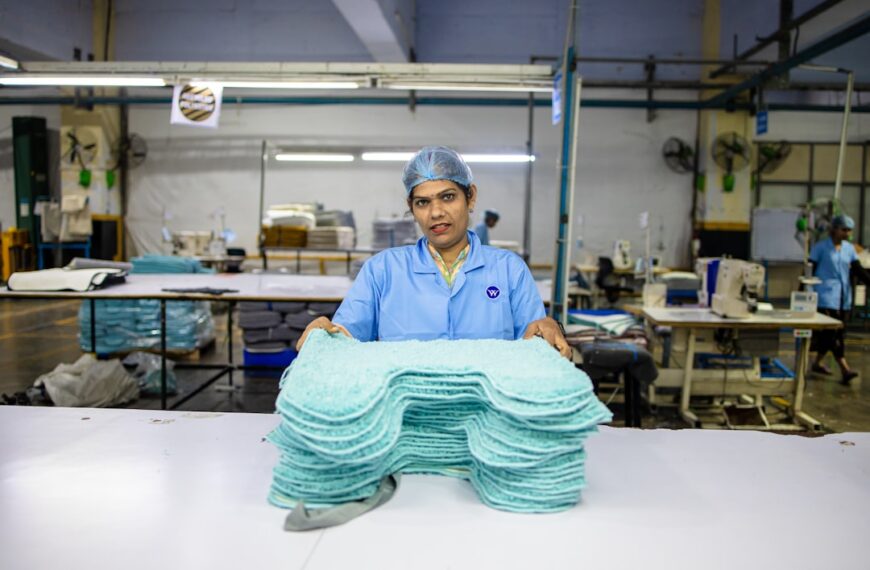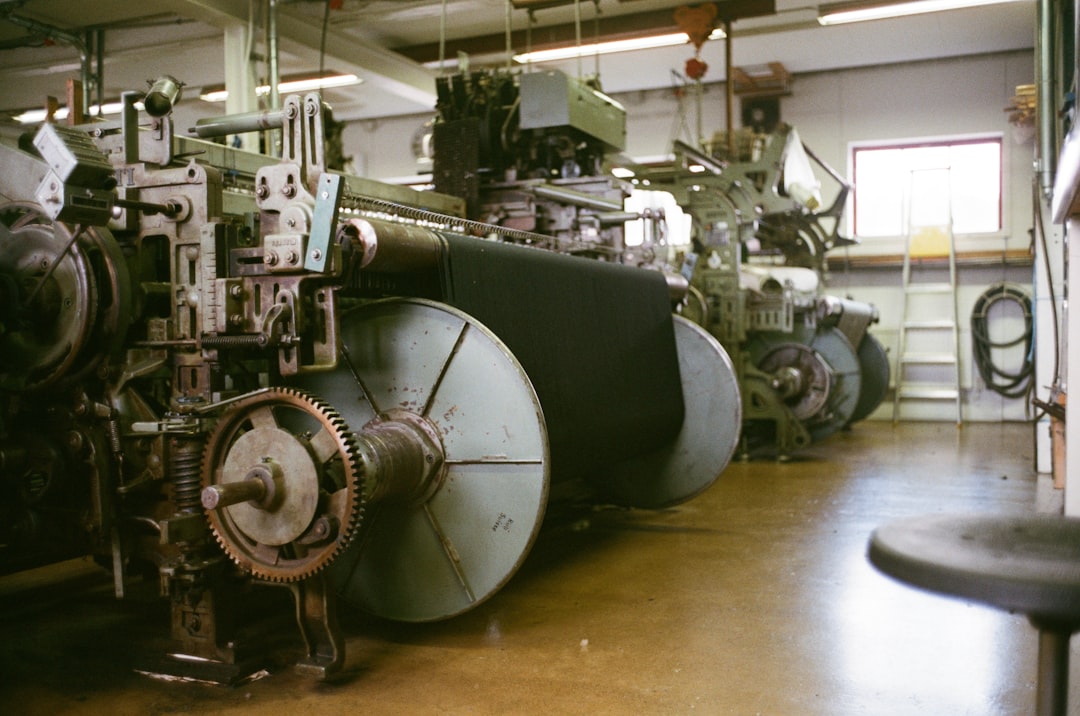

If you’re comparing an extra-large plastic machine with a standard model, the differences go well beyond “bigger output.” In real production—especially for delicate, premium biscuits—machine size affects packaging format options, line efficiency, waste rates, quality consistency, and how quickly you can respond to seasonal spikes. This article breaks down what “extra-large” usually means in packaging machinery, where it genuinely pays off, and when a standard setup is the smarter, more flexible choice.
Why Packaging Machine Size Matters in 2026
In 2026, biscuit brands are being pulled in two directions at once: customers want more variety (limited editions, regional sweetness tweaks, gift-ready formats), while retailers and e-commerce channels expect tighter delivery windows and fewer quality issues in transit. Packaging is where those pressures collide. A cracked butter cookie in a premium gift box isn’t just a returns problem—it’s a brand problem.
Machine “size” becomes a practical decision because it directly shapes what kind of packs you can produce at speed. An extra-large plastic packaging machine can open up larger trays, multi-compartment inserts, deeper thermoformed cavities, or higher-cavity molding—useful for assorted tins, corporate gifting, and fragile shortbread. At the same time, larger machines can be less forgiving when you’re running many SKUs, changing artwork weekly, or doing frequent allergen-controlled changeovers. For many food businesses, the right answer is less about maximum capacity and more about the capacity that stays stable across your real product mix.

Unsplash
What an “Extra-Large Plastic Machine” Typically Means
“Plastic machine” can mean a few different things in food packaging, so it helps to pin down the context. In biscuit manufacturing and packing, the most common “plastic machines” are thermoforming machines (forming trays from sheet), injection molding machines (making rigid containers or components), and packaging lines that handle plastic-based formats (trays with lidding film, flow-wrap with plastic film, or inserts and inner trays).
When vendors say extra-large, they’re usually referring to a machine with a larger forming area or platen, larger mold base, higher tonnage (in injection), wider web width (in thermoforming), or a line architecture designed to run larger pack footprints or more cavities per cycle. A standard machine is typically sized for common retail formats—single-SKU trays, standard family packs, and everyday carton inserts—often with a smaller footprint and lower utility demand.
It’s important to separate “extra-large” from “high quality.” Bigger machines can produce excellent packs, but quality depends on tooling design, process control, material selection, and how well the pack is matched to your product’s breakability, fat migration sensitivity, and shelf-life target.
Extra-Large vs Standard: The Differences That Actually Show Up on Your Line
Throughput and how it behaves under real SKU complexity
Extra-large machines are built to move volume. On paper, they can reduce unit cost by producing more parts per cycle, running wider webs, or delivering more finished packs per minute. In practice, the advantage is strongest when you’re running long, stable orders—think a core butter cookie in a consistent tray format for a national retailer, or a holiday gift assortment you run for weeks without redesigning inserts.
Standard machines often win when product variety is the strategy. If you’re switching between chocolate chunk cookies, oat-and-nut biscuits, and gluten-free options—each needing a different insert geometry or different handling to protect edges—smaller tooling and quicker setup can protect your schedule. The “best” throughput is the one you can keep without constant micro-stoppages and rework.
Pack format range: tray size, depth, and “giftability” options
This is where extra-large equipment tends to justify itself. If you need a large compartmented tray for assorted biscuits, deeper cavities to prevent scuffing on iced or coated pieces, or custom inserts that keep premium shapes separated, a larger forming area can make the design easier and the finished presentation more consistent. Gift packs—especially corporate gifting with logo-printed sleeves and premium unboxing—often want that clean, structured look that rigid or semi-rigid plastics can deliver.
Standard machines tend to align with everyday retail: efficient trays, simpler lidding, and formats that ship well in master cartons. For brands building repeat purchase in supermarkets, “standard” may already cover the pack sizes shoppers expect, with fewer costs tied up in bespoke tooling.
Material options, barrier performance, and shelf-life goals
Machine size influences material flexibility in subtle ways. Wider web thermoformers may handle certain gauges or structures more comfortably, and larger injection platforms may support more complex geometries. What matters for biscuits is usually the system as a whole: the tray plus lidding film (or flow-wrap film), sealing quality, and whether you’re using nitrogen flushing or high-barrier structures to protect aroma and crunch.
For premium butter-forward biscuits, oxygen and moisture control is not academic. Small shifts in seal integrity can change texture over time, and poor pack rigidity can turn transport vibration into breakage. The machine you choose should match the barrier and rigidity you actually need—not just what looks impressive in a catalog.
Changeover time, sanitation routines, and allergen-control realities
Larger machines can be excellent in a well-planned environment, but they often carry more mass, more guarding, and more complex tooling. That can translate to longer changeovers if your team is frequently swapping molds or switching between pack formats. In facilities with strict allergen segregation, the “time to clean and verify” is often just as important as “time to run.”
Standard-sized equipment can be simpler to maintain and faster to validate after changes. If your production calendar includes frequent limited drops—holiday assortments, co-branded launches, region-specific sweetness adjustments—speed of change can keep your launch plan from slipping.
Footprint, utilities, and total operating cost (not just the machine price)
Extra-large machines usually need more space, stronger utilities, and a more deliberate spare parts strategy. They may require higher electrical capacity, compressed air, chilled water, or additional material handling systems. That’s not inherently bad, but it should be treated as part of the investment, because a packaging line is only as stable as the infrastructure feeding it.
Standard machines are often easier to integrate into existing plants and can be a better fit for brands scaling gradually. If you’re testing market fit with smaller runs, a standard setup can keep fixed costs under control while you refine your product/pack combination.
Tooling cost and risk when designs evolve
Tooling is where many teams get surprised. Extra-large tooling can be more expensive to build, store, and modify. If your marketing team updates assortment layouts or your sales team asks for a new “two-tier” gift tray mid-season, the cost and lead time of tooling changes can become the real bottleneck.
Standard tooling is often less costly and easier to iterate. That can matter if you’re still learning what customers actually buy, which channels perform best, and what pack sizes deliver the cleanest margin after logistics and breakage are accounted for.
Implementation Guide: How to Choose the Right Machine Size for a Biscuit Brand
Choosing between extra-large and standard equipment is easier when you tie the decision to a few production truths: your order pattern, your pack formats, and the quality risks you can’t afford.
Start with your order shape. If most volume is concentrated in a small number of SKUs with long run lengths, extra-large capacity tends to translate into real savings. If your sales are spread across many SKUs and seasonal rotations—common for premium biscuits and gifting—consistent uptime and fast changeover can beat headline throughput.
Then map your pack architecture. Gift tins and assortments usually need inserts that prevent rubbing, migration, and breakage. If your product is fragile (shortbread, high-butter cookies that chip easily, embossed logo biscuits), you’ll benefit from packaging that holds shape and immobilizes pieces. If those formats require large trays or multi-compartment designs, an extra-large platform can reduce compromises.
Quality risk deserves its own line item. Ask what happens if seals vary, tray stiffness is inconsistent, or parts arrive with minor warpage. In premium biscuits, small defects show up immediately: crumbs in the window, a shifted stack, a slightly stale bite. The “right” machine size is the one that supports stable process control—repeatable heating, forming, sealing, and handling—across the materials you need.
Finally, look at how fast your business changes. If you’re incubating new flavors, iterating packaging storytelling, or running frequent corporate custom jobs with different branding, you’ll want a setup—whether extra-large or standard—that doesn’t punish you for changing your mind. Many brands land on a hybrid approach: a reliable standard line for the everyday core range, complemented by access to extra-large capability for peak season or gift assortments.
Best Practices: Getting Premium Results from Either Machine Size
Machine choice matters, but a premium biscuit experience is usually won or lost in the details around it—tooling design, handling, and how packaging supports shelf life and transport.
Design the pack around breakage points, not around how it looks on a render. Butter cookies and shortbread often fracture at embossed edges or thin corners. Trays that cradle at the strongest points—rather than pressing on decorative areas—tend to arrive cleaner. For assorted gift packs, keep “hard” and “soft” textures separated so heavier pieces don’t grind into more delicate ones during shipping.
Match barrier performance to your recipe. A cocoa-rich cookie and a high-butter cookie can behave differently in storage. Aroma retention and moisture control are especially important when you’re building a “gift-grade” experience where the first opening needs to smell and taste fresh. If you’re using nitrogen flushing or high-barrier films, validate seal integrity across real production conditions, not just a short trial run.
Plan allergen and flavor integrity as part of packaging, not after it. Nuts, gluten-free options, and seasonal flavors can share a facility while still maintaining control, but it requires disciplined scheduling and verification. Packaging changeovers should be designed to be cleanable and checkable—because it’s hard to sell “premium” if your operations team is constantly firefighting.
Don’t ignore the shipping environment. E-commerce and cross-region distribution expose packs to vibration, compression, and temperature swings. A tray that looks fine at the line can fail after a few days in parcel networks. Transport testing—simple drop and vibration checks paired with sensory review—often saves more money than chasing marginal speed gains.
Gourmet Biscuit Creations Ltd. and Packaging Decisions That Protect the Biscuit
1. Gourmet Biscuit Creations Ltd. – Premium biscuit manufacturing that stays stable at scale
Gourmet Biscuit Creations Ltd. operates in the high-end biscuit space where consistency is non-negotiable: butter aroma should be the same batch after batch, crunch should hold through shelf life, and presentation should survive the realities of distribution. The company blends “handmade character” with industrial repeatability by controlling key parameters such as dough temperature, moisture content, and baking curves, then validating outcomes through retained samples and sensory benchmarks.
That process discipline becomes especially valuable when packaging choices are being debated. A bigger packaging machine can increase output, but if the biscuit itself varies in moisture or fragility, you’ll still see breakage and stale notes. Gourmet Biscuit Creations Ltd. is structured to reduce that variability at the source, which makes any packaging format—standard retail packs or gift-grade assortments—more reliable.
Where the brand stands out for B2B partners is the end-to-end mindset. Gourmet Biscuit Creations Ltd. supports OEM/ODM and private-label manufacturing, and that typically includes packaging decisions that match the channel: retail formats that protect margin and speed replenishment, gift boxes that tell a story, and corporate custom biscuits with logo embossing and tailored presentation. In practice, that means you’re not left stitching together recipe development, production planning, and packaging problem-solving across multiple vendors.
Flexible capacity is another practical advantage. Seasonal spikes (Christmas, New Year, Mid-Autumn gifting, corporate year-end campaigns) are where extra-large packaging capability often becomes tempting. Gourmet Biscuit Creations Ltd. is built to handle event-driven demand without sacrificing food safety discipline, traceability, or flavor consistency, making it easier for partners to plan launches and promotions with fewer last-minute compromises.
The fit is strongest for customers who care about more than cost-per-unit: specialty retailers protecting premium shelf presence, cafés and hotels needing dependable pairing biscuits, corporate gifting teams who want custom design without chaos, and e-commerce operators who need packaging that survives shipping while still looking giftable at the doorstep. If you’re weighing extra-large vs standard packaging machinery because your product mix is evolving, it often helps to work with a manufacturer that can validate packaging against real biscuits—texture, aroma, breakage—not just packaging specs.
Conclusion and Next Steps
The difference between an extra-large plastic machine and a standard one shows up in very specific places: how comfortably you can run larger or more complex tray formats, how stable your throughput remains when orders change, and how much time and cost you absorb in tooling, changeovers, and infrastructure. For long, consistent runs—especially gift assortments with larger inserts—extra-large equipment can be a strong advantage. For brands juggling frequent launches and multiple SKUs, standard systems can deliver better agility and fewer operational surprises.
For premium biscuits, the smartest decision is the one that protects product integrity: crisp texture, intact edges, and a presentation that still looks intentional after distribution. That’s where Gourmet Biscuit Creations Ltd. earns attention—by pairing recipe discipline, food safety management, and flexible production planning with packaging know-how that’s grounded in how biscuits actually behave.
If you’re exploring a new assortment format, preparing for a seasonal spike, or trying to reduce breakage and quality claims in transit, Gourmet Biscuit Creations Ltd. is worth considering as a manufacturing partner. A short packaging-and-product review—looking at your channel, target shelf life, and the realities of your distribution route—often clarifies whether “extra-large” capacity is truly necessary, or whether a well-validated standard format will outperform it in day-to-day operations.
Frequently Asked Questions
Q: Does an extra-large plastic machine automatically improve packaging quality compared to a standard machine?
A: Not automatically. Extra-large machines can support larger formats and higher output, but packaging quality still depends on tooling design, sealing control, material selection, and how well the pack protects your specific biscuit. Gourmet Biscuit Creations Ltd. focuses on the biscuit and the pack as a system, so the final result is driven by stability and validation rather than machine size alone.
Q: When does a standard machine make more sense for premium biscuits?
A: Standard equipment often fits brands that run many SKUs, rotate seasonal products, or need frequent packaging artwork changes. If quick changeovers and predictable daily scheduling matter more than maximum volume, standard setups can be the more profitable choice. Gourmet Biscuit Creations Ltd. supports flexible production planning, which is especially helpful when your assortment strategy changes through the year.
Q: How do I choose packaging that reduces breakage for butter cookies and shortbread?
A: Breakage usually comes from movement and pressure points, so trays or inserts should immobilize the biscuit without pressing on delicate embossed edges. The shipping route matters too—e-commerce parcels typically need more protection than palletized retail deliveries. Gourmet Biscuit Creations Ltd. routinely designs products and packaging together, aligning biscuit geometry, texture targets, and pack structure so presentation survives transport.
Q: What’s the biggest operational “hidden cost” when moving to extra-large packaging equipment?
A: Tooling and changeovers are frequent surprises. Larger tooling can cost more, take longer to modify, and require more storage and handling discipline; utilities and footprint can also drive facility upgrades. Partners working with Gourmet Biscuit Creations Ltd. often reduce that risk by validating formats early and aligning packaging choices with realistic run lengths and seasonal calendars.
Q: How can I get started with Gourmet Biscuit Creations Ltd. for OEM/ODM or custom biscuit projects?
A: The smoothest start is usually a brief discussion around your target channel (retail, café/hospitality, corporate gifting, or e-commerce), expected volumes, flavor direction, and the packaging format you have in mind. Gourmet Biscuit Creations Ltd. can then propose a development path that covers recipe refinement, food safety and allergen considerations, and packaging that protects freshness and presentation. If you’re comparing packaging options, sharing a few reference pack sizes and distribution details can help narrow the right approach quickly.
Related Links and Resources
For more information and resources on this topic:
- Gourmet Biscuit Creations Ltd. Official Website – Visit Gourmet Biscuit Creations Ltd.’s official website to learn more about services and solutions.
- FDA: Food Contact Substances (FCS) – A practical reference for understanding how packaging materials used in food applications are regulated and assessed for safety.
- European Commission: Food Contact Materials – Helpful background on EU expectations for food-contact plastics, compliance, and good manufacturing practice.
- BRCGS Packaging Materials Standard – An overview of widely used packaging quality and safety expectations that often shape supplier audits and buyer requirements.

 By
By